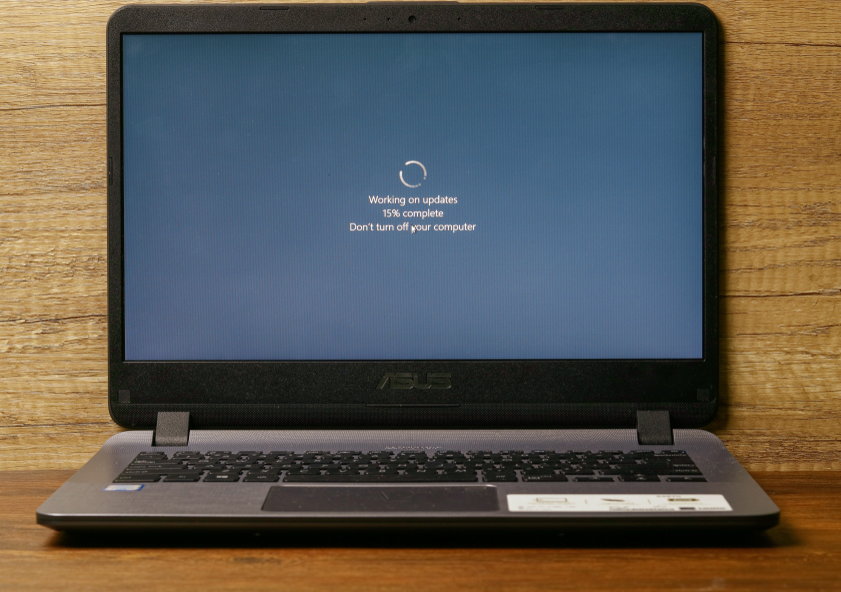
April 2026 Patch Tuesday: A Record-Breaking Security Update You Cannot Ignore
Microsoft has released its April 2026 Patch Tuesday update, and the numbers are staggering. A total of 167 security vulnerabilities have been addressed across Windows operating systems and related software — making this the second-biggest Patch Tuesday in Microsoft's history. The release includes patches for an actively exploited SharePoint Server zero-day, a publicly disclosed Windows Defender privilege escalation flaw dubbed "BlueHammer," and nearly 60 browser-related vulnerabilities. Alongside Microsoft's mega-drop, both Google and Adobe issued urgent fixes for actively exploited flaws. Security teams should treat this month's patching cycle as a top priority.
SharePoint Server Zero-Day Under Active Attack (CVE-2026-32201)
The most immediately dangerous vulnerability in this month's release is CVE-2026-32201, a zero-day in Microsoft SharePoint Server that Microsoft confirms is already being actively exploited in the wild. The flaw allows attackers to spoof trusted content or interfaces over a network, creating opportunities for highly convincing deception campaigns.
Mike Walters, president and co-founder of Action1, explained the real-world impact in stark terms:
"This CVE can enable phishing attacks, unauthorized data manipulation, or social engineering campaigns that lead to further compromise. The presence of active exploitation significantly increases organizational risk."
Because SharePoint is deeply embedded in enterprise collaboration workflows, the trust employees and partners place in its interfaces makes spoofed content particularly dangerous. Organizations running SharePoint Server should treat this patch as an emergency deployment and prioritize it above all other fixes in this cycle.
BlueHammer: Windows Defender Privilege Escalation Made Public (CVE-2026-33825)
A second high-profile vulnerability patched this month is CVE-2026-33825, nicknamed "BlueHammer" — a privilege escalation bug residing within Windows Defender. What makes this flaw especially notable is the circumstances surrounding its disclosure. According to BleepingComputer, the researcher who discovered the vulnerability grew frustrated with Microsoft's response timeline and published working exploit code publicly before a patch was available.
The good news: the patch works. Will Dormann, senior principal vulnerability analyst at Tharros, confirmed that installing today's updates fully neutralizes the publicly available BlueHammer exploit code. That said, the window between public exploit release and today's patch represents a real exposure period, and organizations should verify that Windows Defender is fully updated across all endpoints.
Adobe Reader Emergency Patch: Exploitation Started Months Ago (CVE-2026-34621)
Adobe did not wait for Patch Tuesday to address its most critical flaw. On April 11, the company issued an emergency out-of-band update for Adobe Reader to patch CVE-2026-34621, a vulnerability that can lead to remote code execution. What makes this particularly alarming is the timeline: Satnam Narang, senior staff research engineer at Tenable, noted evidence suggesting this flaw has been actively exploited since at least November 2025 — meaning attackers had a roughly five-month head start.
If your organization relies on Adobe Reader and has not yet applied this emergency update, that should be your first action after reading this post. Remote code execution vulnerabilities in widely deployed document readers are a perennial favorite for initial access in targeted attacks.
Google Chrome's Fourth Zero-Day of 2026 (CVE-2026-5281)
Google Chrome has also been busy this month, fixing its fourth zero-day vulnerability of 2026. An earlier April Chrome update patched 21 security holes in total, including the high-severity CVE-2026-5281. Browser zero-days are particularly dangerous because they can be exploited simply by visiting a malicious or compromised website — no additional user interaction required beyond browsing.
An important reminder for all users regardless of browser preference: browser updates only take effect after a full restart. It is easy to leave a browser running for days or weeks with dozens of tabs open, but doing so means critical security patches go unapplied. Make browser restarts part of your regular security hygiene.
Nearly 60 Browser Vulnerabilities: Is AI Accelerating Vulnerability Discovery?
One of the most thought-provoking aspects of this month's release is the sheer volume of browser-related CVEs. Adam Barnett, lead software engineer at Rapid7, noted that the patch total includes nearly 60 browser vulnerabilities — a figure he called "a new record in that category." Microsoft Edge is based on the Chromium engine, and the Chromium maintainers credited a wide range of researchers for the vulnerabilities Microsoft republished.
Barnett acknowledged speculation that this spike might be linked to Project Glasswing, a much-hyped AI capability from Anthropic announced the week prior that is reportedly highly effective at discovering software bugs. However, he cautioned against drawing direct conclusions, noting the broad researcher base credited for the Chromium findings. His broader point, though, carries significant weight:
"A safe conclusion is that this increase in volume is driven by ever-expanding AI capabilities. We should expect to see further increases in vulnerability reporting volume as the impact of AI models extend further, both in terms of capability and availability."
This trend has profound implications for security teams. If AI tools are enabling researchers to find vulnerabilities at a faster rate, both defenders and attackers will increasingly leverage the same capabilities — making rapid patching cycles more critical than ever.
Key Vulnerabilities to Prioritize This Month
- CVE-2026-32201 — Microsoft SharePoint Server spoofing zero-day; actively exploited in the wild
- CVE-2026-33825 (BlueHammer) — Windows Defender privilege escalation; public exploit code existed prior to patch
- CVE-2026-34621 — Adobe Reader remote code execution; exploited since at least November 2025
- CVE-2026-5281 — Google Chrome high-severity zero-day; fourth Chrome zero-day of 2026
Patch Management Recommendations for Security Teams
Given the record volume and severity of this month's disclosures, security teams should consider the following actions immediately:
- Deploy the SharePoint Server patch (CVE-2026-32201) as an emergency priority given confirmed active exploitation
- Verify Windows Defender is fully updated across all endpoints to neutralize the BlueHammer exploit
- Apply the Adobe Reader emergency update if not already done — do not wait for a scheduled maintenance window
- Ensure all Google Chrome instances have been fully restarted to activate the latest security updates
- Review the SANS Internet Storm Center Patch Tuesday roundup for a per-patch breakdown of all 167 CVEs
Conclusion: Patch Early, Patch Often
April 2026's Patch Tuesday is a stark reminder that the vulnerability landscape is not slowing down — it is accelerating. With 167 CVEs, two actively exploited flaws, a publicly disclosed zero-day, and signs that AI-assisted vulnerability research is increasing discovery rates, security teams face mounting pressure to compress their patch deployment timelines. The organizations that respond quickly to months like this are the ones that avoid becoming the next breach headline. Patch now, and restart your browsers.